
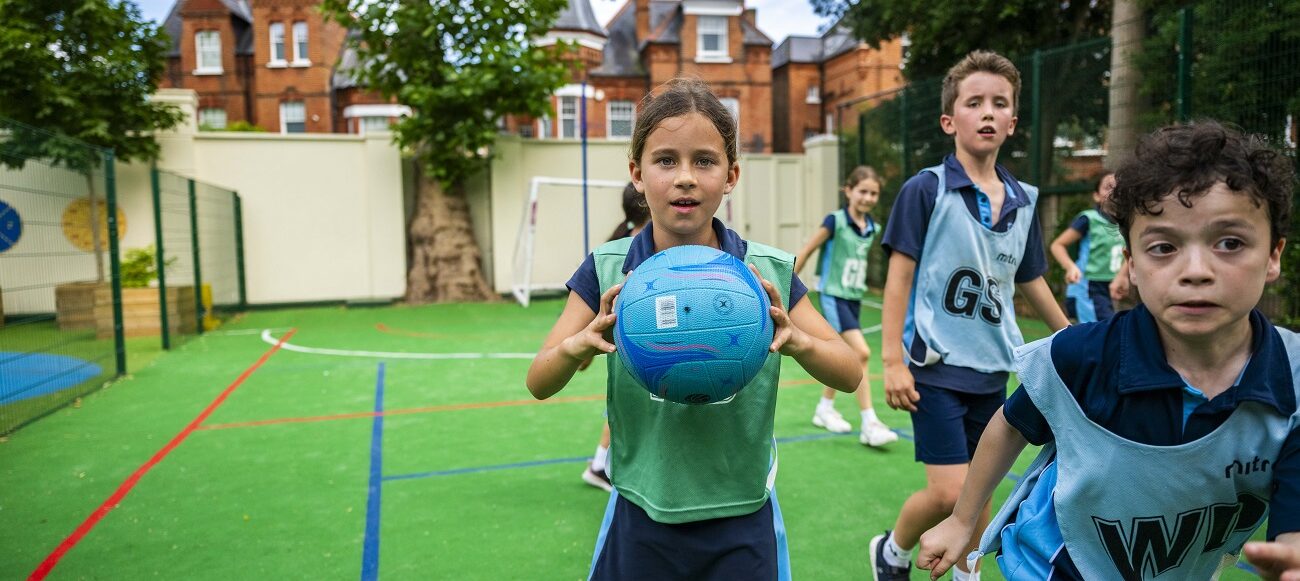



At PGP we recognise that children who learn to regulate their emotions and demonstrate self-discipline are often better equipped to persevere through challenges, solve problems and experience a deep sense of achievement. This sense of success builds self-esteem and fuels further progress, creating a positive cycle of growth and resilience.
One of the most well-known studies on self-discipline is the Stanford University Marshmallow Experiment from the 1960s. In this study four-year-old children were given a simple choice: eat one marshmallow immediately or wait and receive two later. The results were fascinating; some children gave in straight away, others struggled before eventually eating the treat and a few managed to wait for the second marshmallow. Follow-up studies tracked these children into adulthood and found that those who were able to delay gratification tended to perform better academically, manage their emotions more effectively and lead healthier, more successful lives.
While this experiment is just one piece of a much larger puzzle, it highlights how self-regulation can influence long-term outcomes. At PGP, we strive to nurture these skills from the earliest years. We provide a safe and calm environment where children are supported and encouraged to use tools such as the Zones of Regulation to express and understand their feelings. Beginning with our youngest learners, children develop mastery over their emotions, building a strong foundation for future learning and personal growth. Our teaching approach emphasises:
• Clear behavioural expectations and routines to help children feel secure and confident
• Celebration of perseverance and effort, not just outcomes
• Support for emotional resilience, helping children manage their feelings when things don’t go as planned
Stay focused on the goals
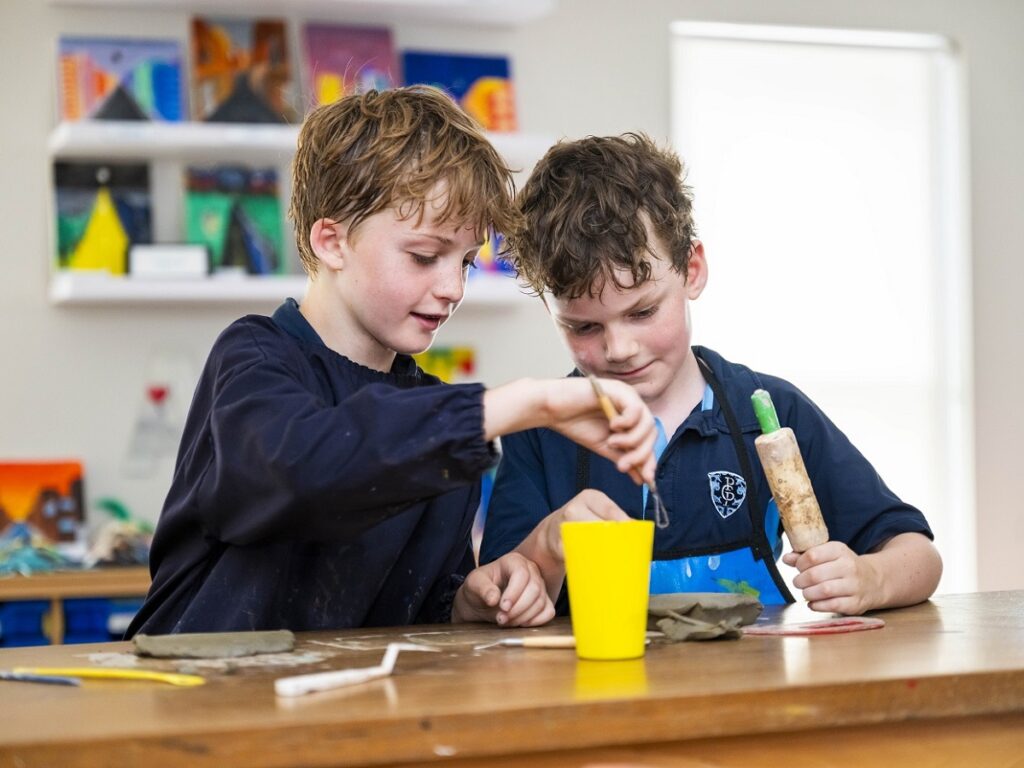
Teachers consistently observe that children who can resist immediate temptations are more likely to stay focused on their goals, whether revising for the 11+, completing a project, finishing a piece of artwork, solving a complex maths problem, progressing in reading or practising a song in choir. These tasks require sustained effort and patience. Children who develop these skills are better equipped to cope with setbacks and challenges, both in school and beyond.
As parents and educators, we share a common goal: to help children grow into confident, capable individuals who can navigate life’s challenges with resilience and joy. Together, we can continue to foster a love of learning and a belief in the power of perseverance.
Dr Edmonds
Head, Parsons Green Prep
Categories: General news
0 CommentsComment on Facebook